2. Configuration
The following pages provide guidance on the initial setup and how administration and granular role assignment are achieved.
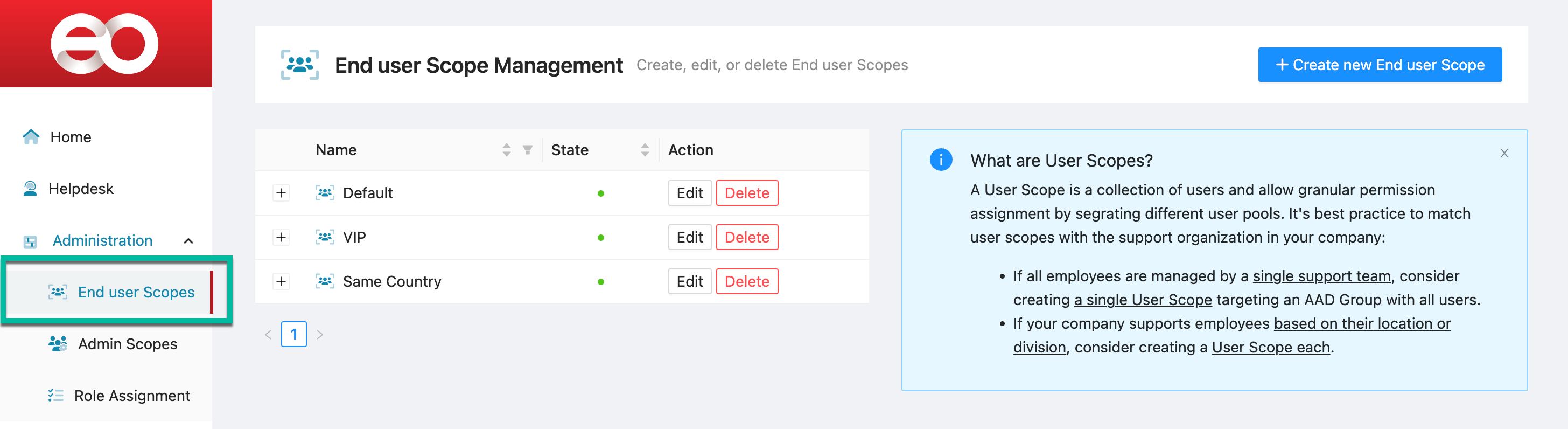
End User Scopes
An End User Scope is a collection of users that allows EndpointOps the assignment of granular permissions by segregating different user pools. It's best practice to match end user scopes with the support organization set up of your company. E.g.:
- If a single helpdesk team supports all employees, consider creating a single End User Scope targeting an AAD Group with all users.
- If your company supports employees based on the employee's location or division, consider creating a User Scope for each.
Required Permissions
End User Scopes are created and managed by EndpointOps Administrators.
Types of End User Scopes
EndpointOps supports different types of End User Scopes to support a wide range of setups.

Type: User group membership
A simple way to set up End User Scopes is relying on an account's membership to an AAD Group, Administrative Unit(AU), or Global Azure Role. When selecting multiple AAD Groups/AUs, the membership of any AAD Group/AU will assign the user to the respective End User Scope.
|
|
|

Type: User/Admin matching attribute
This option is recommended to set up country-, site-, or division-based End User Scope.
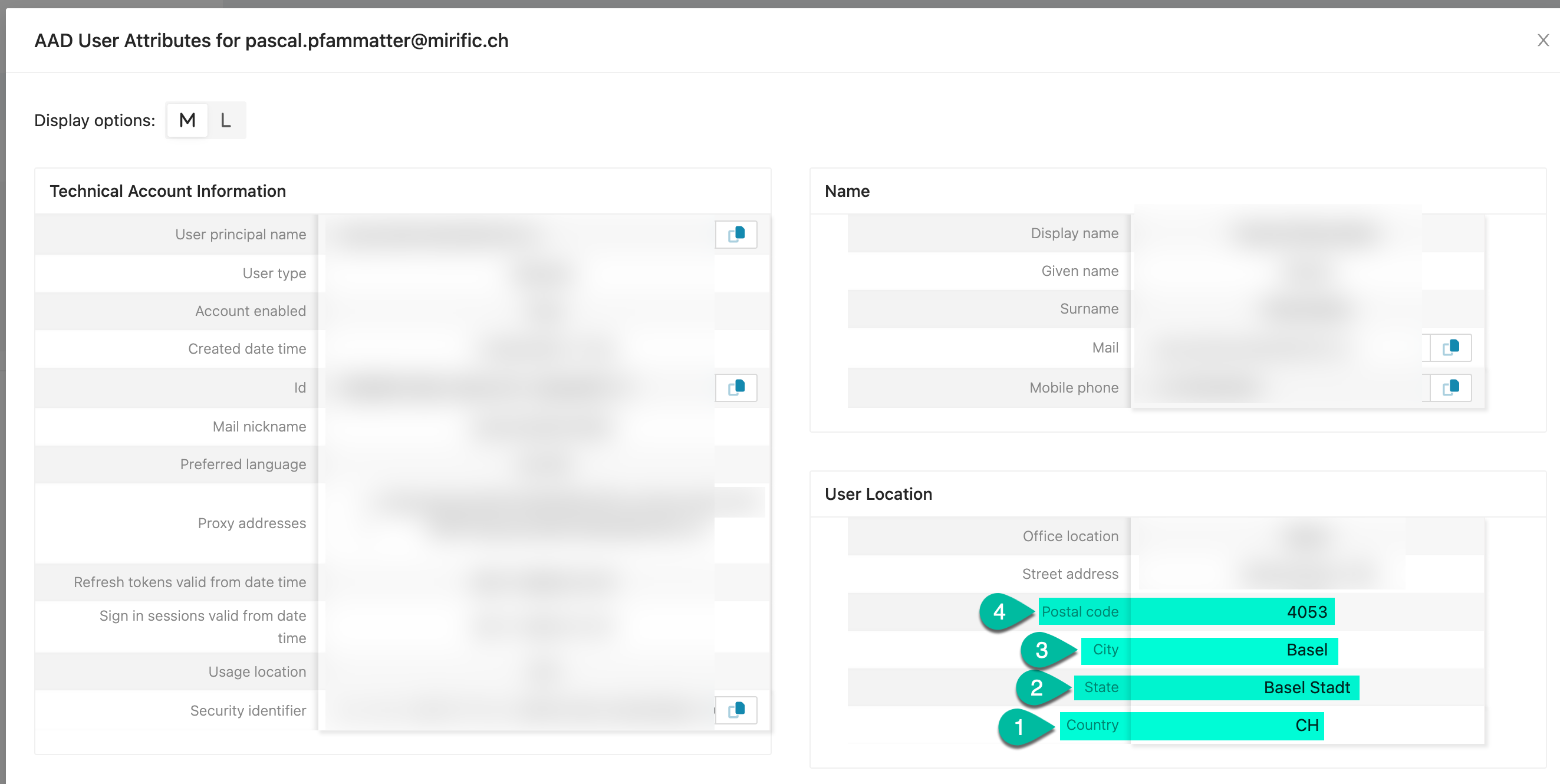
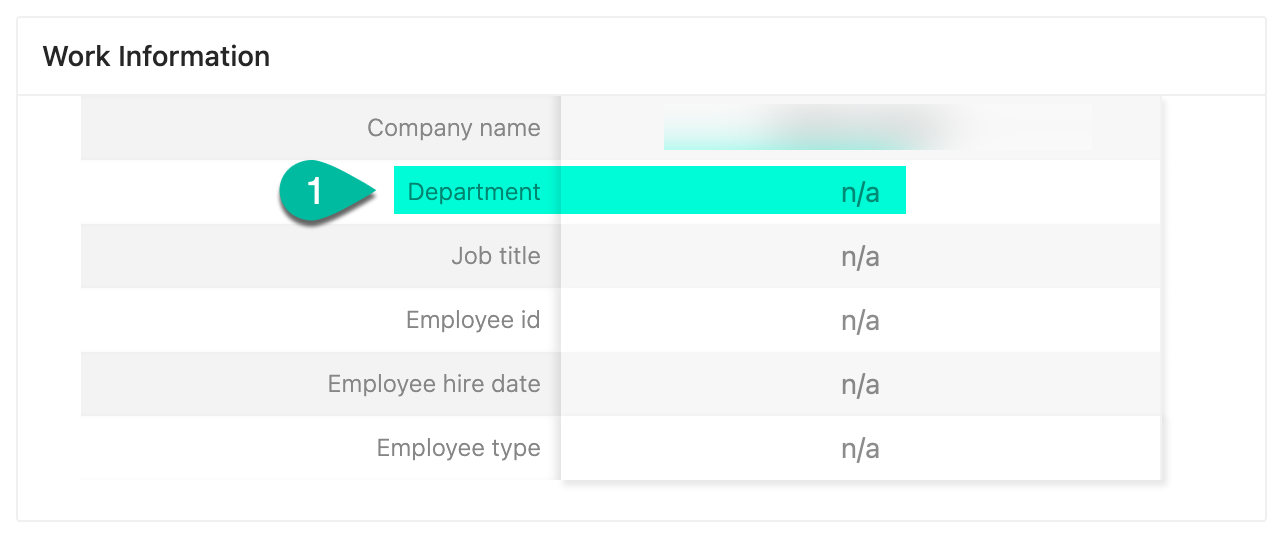
Instead of manually creating an AAD Group, a single "User/Admin matching attribute"-End User Scope can be created. Such an End User Scope with the configuration of "Country" will dynamically assign the End User Scope to a user if the Helpdesk supporter's country property matches the end user's country property. Supported properties are Department, Country, State, City, and Postal code.
The Azure Active Directory Account properties are used for this assignment:
|
|
On EndpointOps: Helpdesk> Search for a user > AAD Account Information:
On the Azure Portal:
|


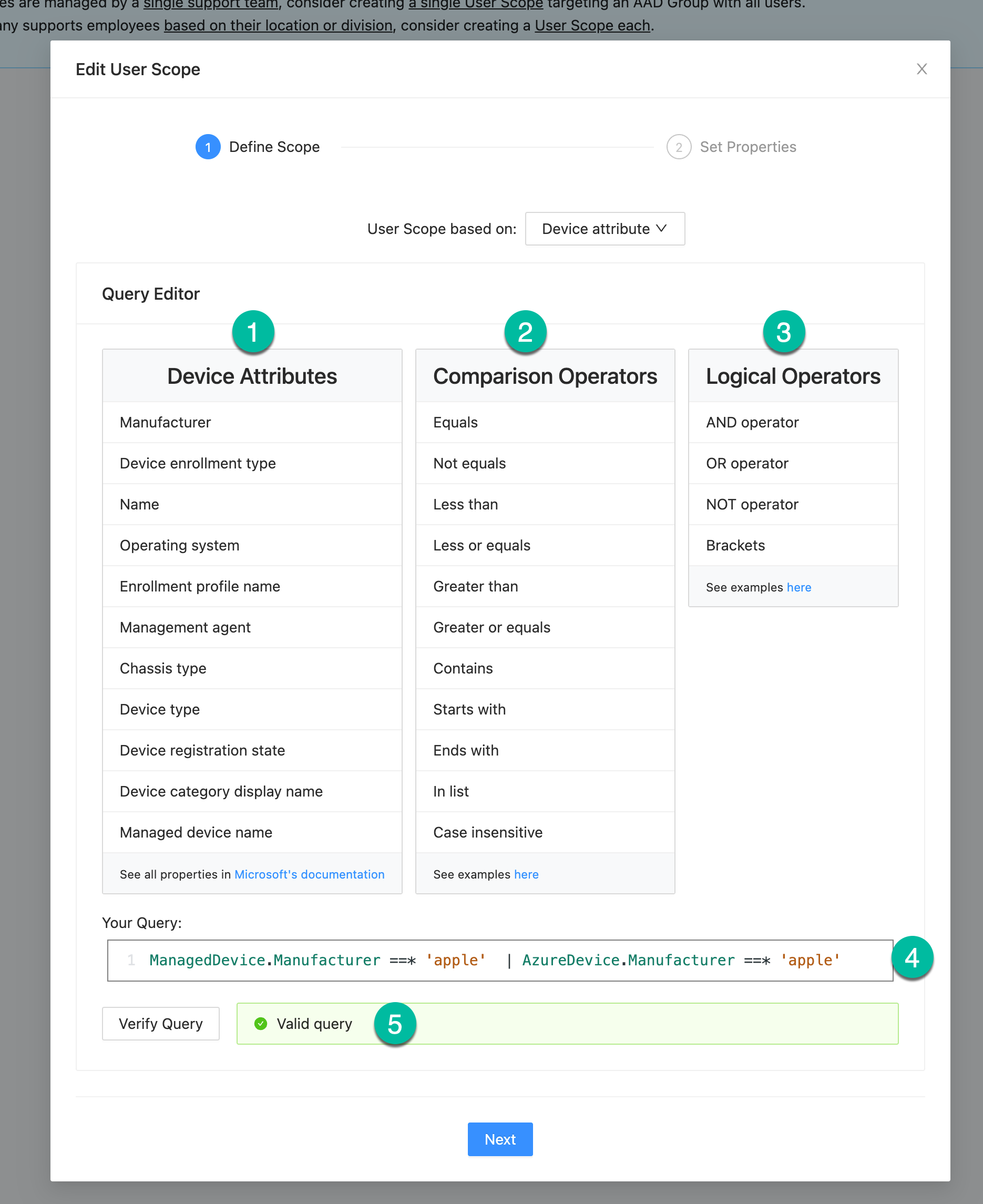
Type: Device Attribute
This option is recommended to set up to assign an End User Scope to user-less devices.
When selecting this type, a Query editor will appear.
|
|
Once valid, you can proceed with the Next button |
Type: User Attribute
Special use cases may require you to create a user attribute query. When selecting this type, a Query editor will appear.
|
|
Once valid, you can proceed with the Next button |

End User Scope Properties
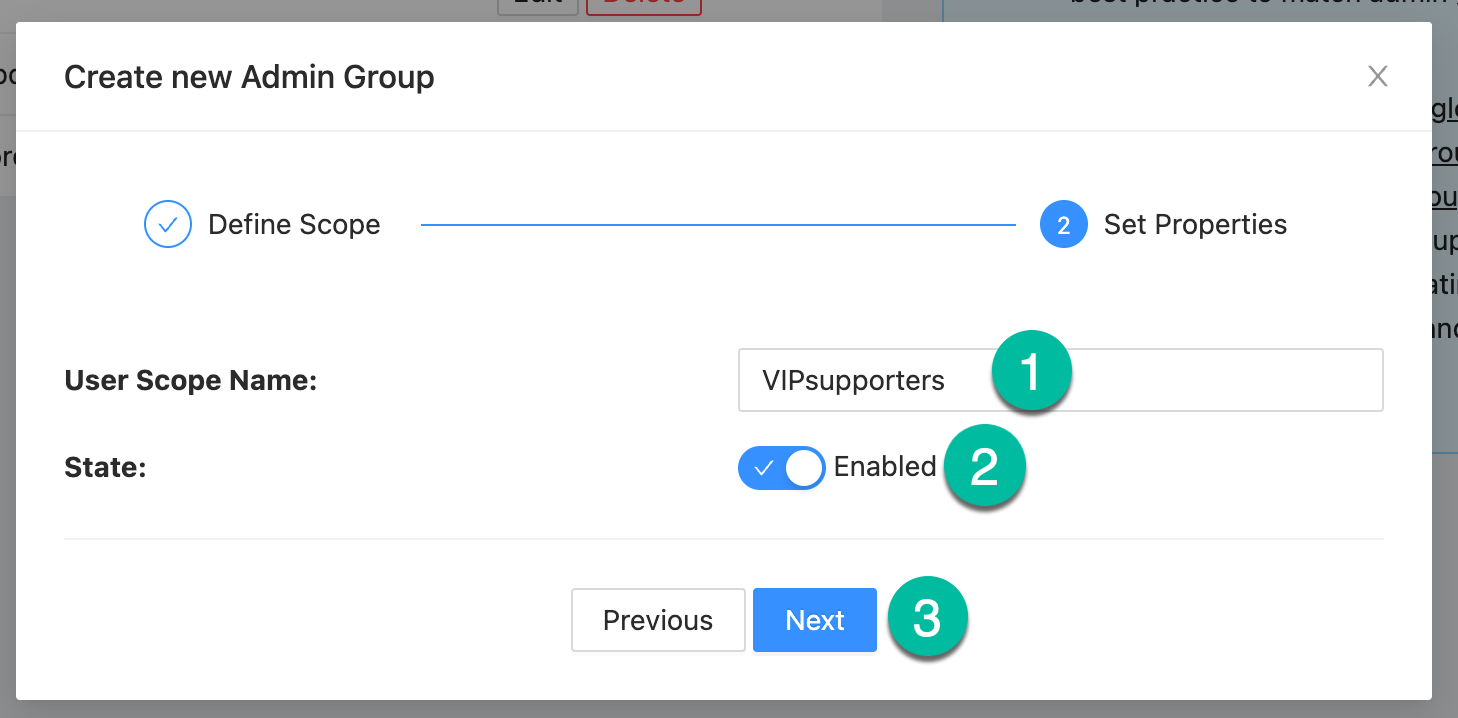
The second step of any type of End User Scope allows you to set the properties.
 |
|
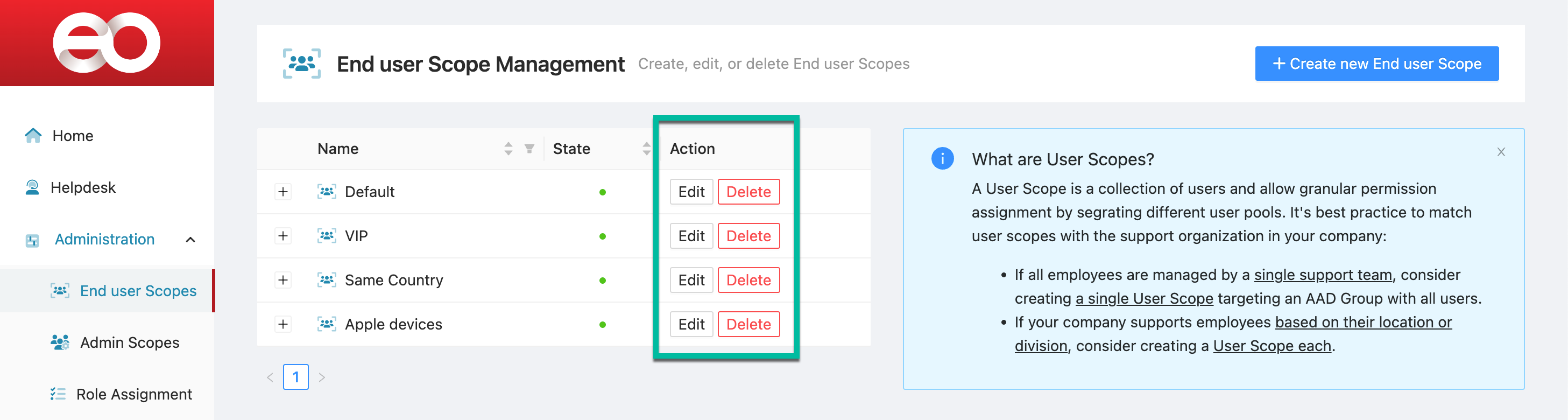
Edit or delete End User Scopes
End User Scopes can be updated or deleted at any point. Simply use the Edit or Delete button on the respective End User Scope.
Admin Scopes
An Admin Scope is a collection of administrators and allows granular permission assignment by segregating different user and admin pools. It's best practice to match admin groups with the support organization in your company:
- If your company has a global or unified Support team, consider creating a helpdesk group with non-invasive support permissions and another admin group with higher privileges.
- If your company has support teams based on their location or division, consider creating an Admin Group, each with non-invasive support permissions and another admin group with higher privileges..
Required Permissions
Admin Scopes are created and managed by EndpointOps Administrators.

Admin Scope Creation
Admin Scopes follow a similar principle to the End User Scopes, but they only support User group membership assignments.
 |
To create a new Admin Scope:
|
|
|
|
Edit or delete Admin Scopes
Admin Scopes can be updated or deleted at any point. Simply use the Edit or Delete button on the respective Admin Scope.

Role Assignment
Once End User Scopes and Admin Scopes are configured, you can use these entities to assign permissions and allow Admins to perform activities against users.
Required Permissions
Role Assignments are created and managed by EndpointOps Administrators.

App role assignments
App roles allow Administrators and Helpdesk operators to access areas within EndpointOps. Granting User & Device Permissions to Helpdesk operators will not have any effect if they don't have the role to access the Helpdesk area.
|
|
|

|
|
Click on the slider to assign or un-assign the permission. The vertical axis lists all configured Admin Sopes. The horizontal access lists all App Roles
Click on Save Changes to persist your modifications. |


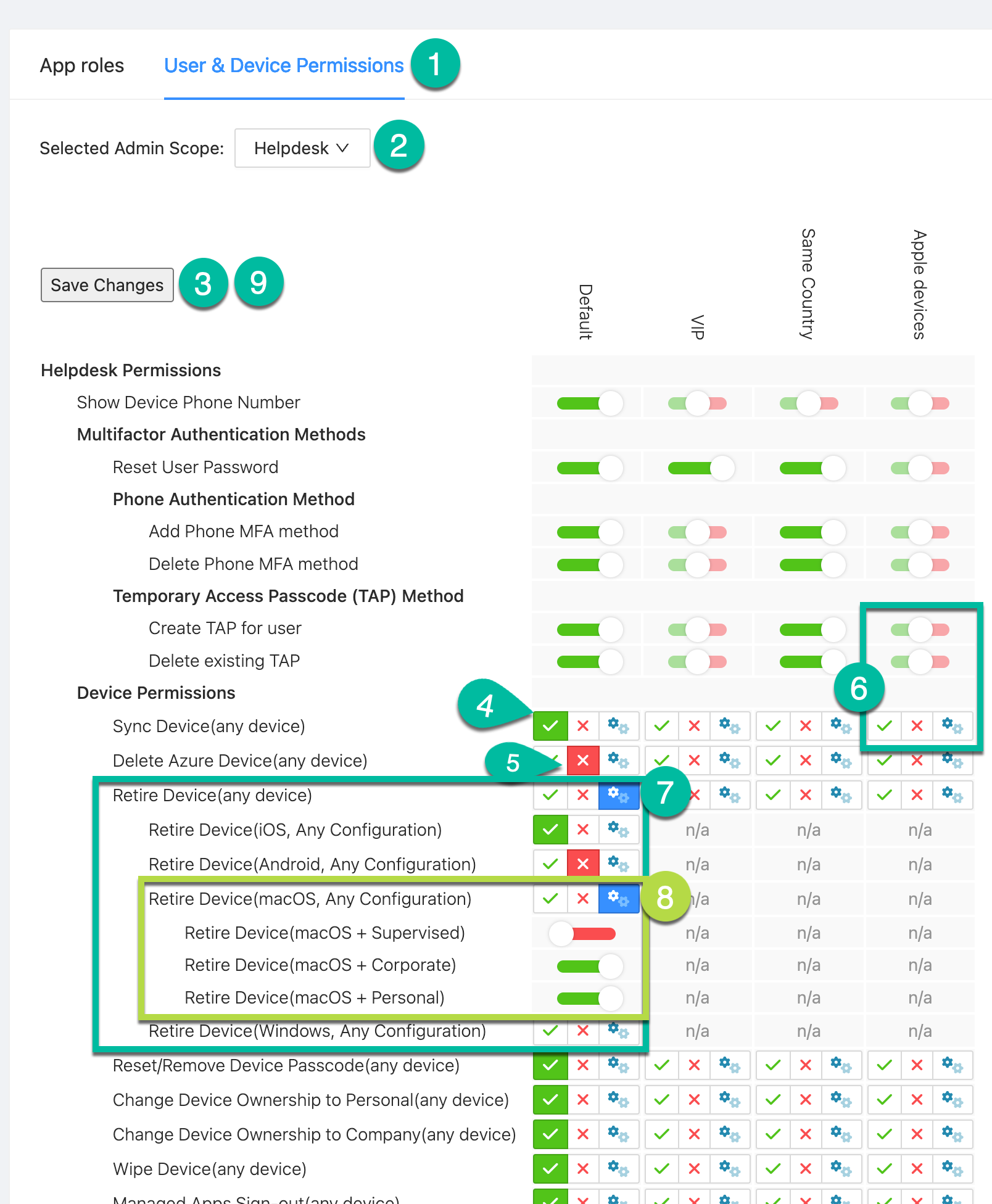
User & Device Permissions
User & Device Permissions follow the same principle as the App roles but provide additional granularity.
|
|
|